
The Caterpillar Effect
While birds are beginning to stake claim on territories and mates and hellebores and witchhazels are blooming defiantly against the cold, there are other, unseen activities taking place. Nestled under leaf litter and detritus, a world of Lepidopteran larvae awaits the arrival of rising temperatures before emerging to take over our gardens and woodlands. Inspired by the beautifully produced documentary, The Extraordinary Caterpillar, and given the burgeoning seasonal change lingering just around the corner, it seems like a good time to revere the crawly critters of the coming months.
During the growing season, caterpillars are literally everywhere - whether you want them to be or not. While many home gardeners often view cabbage loopers and tobacco hornworms as regular nuisances, they may not realize how critical their existence is to the wellbeing and survival of not only bird species, but every species that claims biological dominance above them.
We’ve focused a lot recently on certain winter birds and their preferences for seed during the cold months, but it shouldn’t be overlooked that caterpillars and other insects make up a vast majority of a bird’s diet. For example, according to the King of entomology, Doug Tallamy, a single nest of chickadees is capable of gulping down 370 - 580 caterpillars per day over the course of 16 days. That’s approximately 6,000 - 9,000 caterpillars just for a single nest of chickadees. Caterpillars are literally the basis of a healthy, functioning food chain.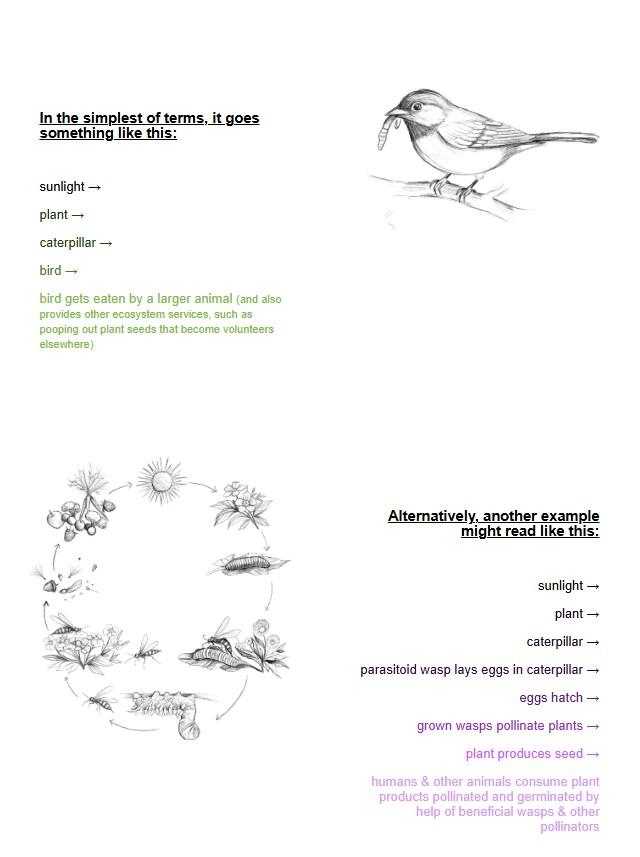
It’s simple, really. Like bees and other critical pollinators that have seen population declines over the last several decades, caterpillars provide critical ecological value to the vitality of habitats the world over. But what sustains the caterpillars? How do we ensure we’re providing enough functional resources (aka larval host plants) in our gardens and landscapes to promote their success?
First, start by planting keystone plants.
Oaks (Quercus), cherries (Prunus), and pines (Pinus) are found to be the top three larval host genera for a vast majority of our native caterpillar species.
Second, leave your leaf litter in the fall
Evidence supports the notion that leaf litter = healthier soil and ultimately healthier gardens, but it also acts as a beneficial shelter for overwintering caterpillars.
Third, reconsider what you think a “weed” is.
Take a hard look at the annoying fleabane or thistle that you have kicking around your yard, and you’ll notice of the world of insects relying on that single plant that you consider an eyesore.
Below are several lists of keystone species for the various eco-regions located East of the Rocky Mountains. These species are critical to the survival of our native caterpillar communities, and thus critical to our own human survival. Those bolded are overlapping species that basically grow everywhere.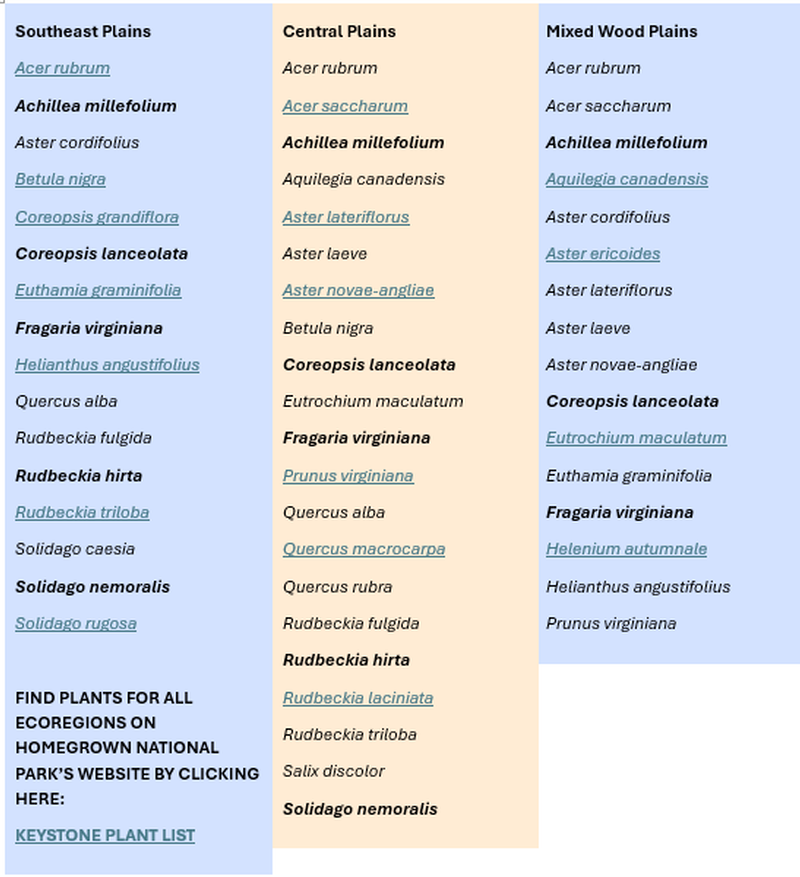
Irrefutable Keystone Champions: Achillea millefolium, Coreopsis lanceolata, Fragaria virginiana, Rudbeckia hirta and Solidago nemoralis.
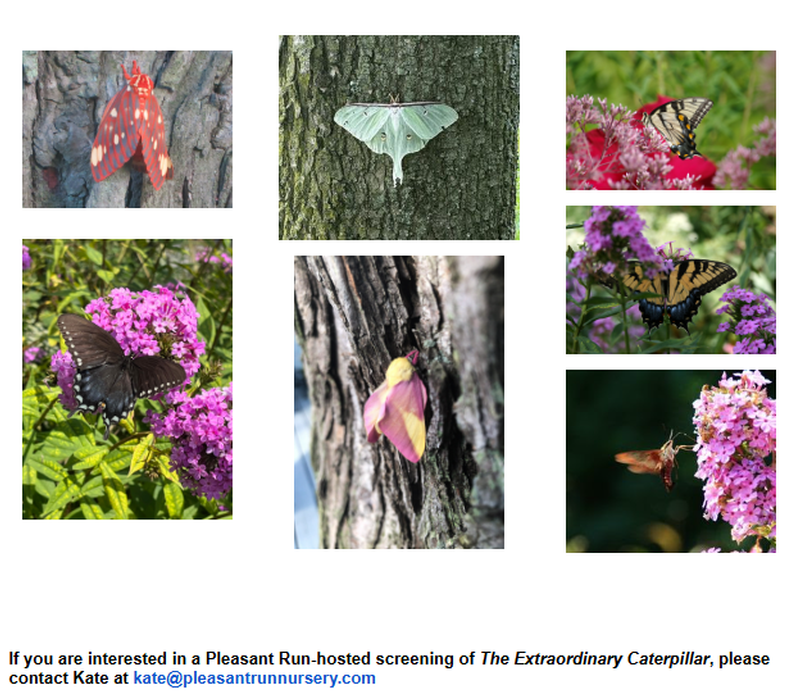
Besides, without caterpillars, we wouldn't have these beauties....