

Mid-Atlantic Midsummer
Things have been hot (literally) and heavy these last few weeks with all the information that's been dumped on you about wildfire-and-smog-resistant plants, so we're taking a break this week from the doom and gloom.
After all, we’re just a month past Midsummer, the period of time falling around the Summer Solstice - typically June 23, 24, 25 - while most of us in the Western hemisphere consider middle-summer to basically be right smack dab in mid-to-late July. Mid-Atlantic Midsummer is a time for reaping the fruits of our labors, basking in the golden glow of warm, afternoon sun chowing down on a juicy homegrown heirloom tomato and mayo sandwich, and pondering the future endeavors of autumn.
While traditional Midsummer is celebrated at the end of June in many Nordic and Slavic countries, there’s really nothing stopping us from continuing its traditions well into North American July. Especially because we didn’t have much of a choice with the bizarre (read: unhinged) weather we’ve experienced this year that stunted plant growth in even steadfast selections and vegetable crops. This is a time to celebrate our efforts and enjoy the inhabitants of our gardens and landscapes that we’ve waited so long for, and have worked so hard to tend.
So, in the spirit of Midsummer, we bring you both native and traditional selections suitable for ringing in the height of the season.
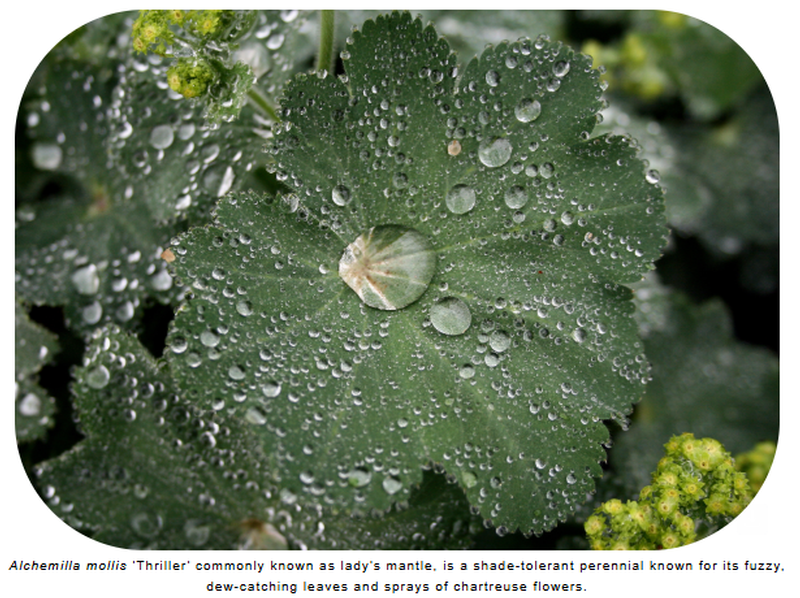
For Dew Collecting:
Thought to promote health and make the complexion brighter. Dew-collecting plants like grasses can be laid in directly (preferably unclothed), or dew can be collected with a linen cloth the morning of Midsummer’s Eve.
- Alchemilla mollis | lady’s mantle
- Andropogon sp. | bluestems
- Danthonia spicata | poverty oat grass
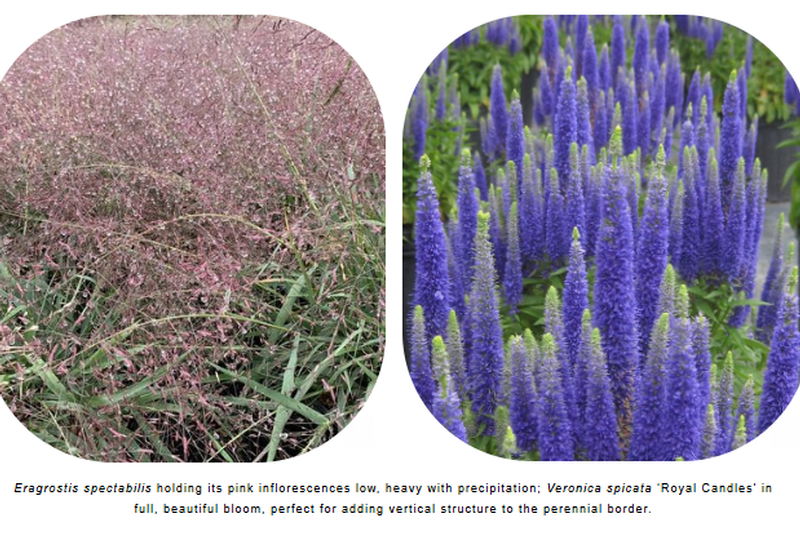
- Eragrostis spectabilis | purple love grass
- Panicum virgatum | switchgrass
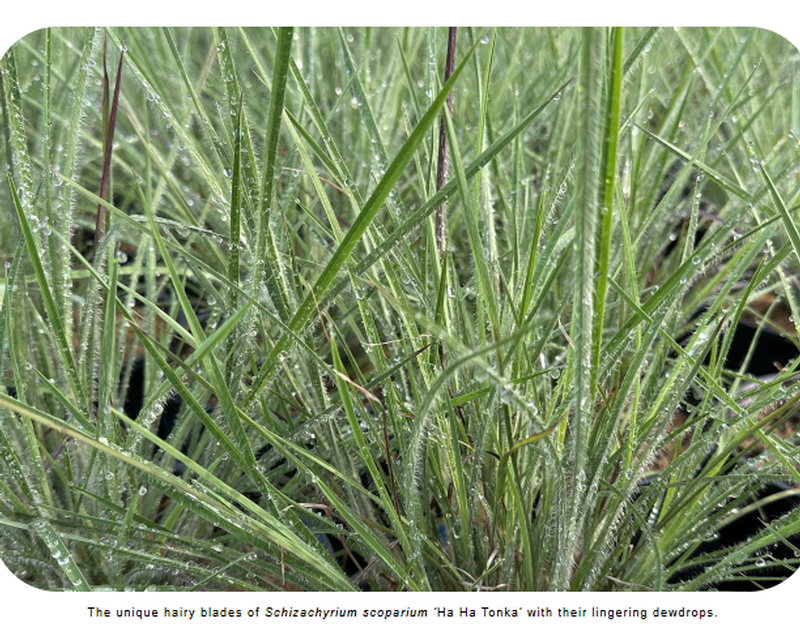
- Schizachyrium scoparium | little bluestem
|
Typically gathered by the male members of a village, oak branches would be given to the women who would then weave peonies, jasmine flowers, and other wildflowers onto them to create celebratory garlands for thresholds and fences.
- Jasminum nudiflorum | winter jasmine
- Paeonia sp. | peony
- Quercus sp. | oak
Search for the Fabled Fern Flower:
Nordic Midsummer lore includes the mythical midsummer fern flower, said to only bloom in the deepest forests at midnight and thought to bring good fortune to the lucky finder. And luck you’ll need, because it’s protected by evil forces. In the meantime, here are some ferns with visually interesting fertile frond structures that you could consider fern flowers:
- Matteuccia struthiopteris | ostrich fern
- Onoclea sensibilis | sensitive fern
- Osmunda cinnamomea | cinnamon fern
- Osmunda regalis | royal fern
EasyScape. (n.d.). Native showy flowers for Oslo, Norway. https://easyscape.com/categories/showy_flowers?address=oslo-norway&filter=native
Johanson, T. (2025, June 12). A modern Midsummer: Finding meaning in ancestral traditions. Heirloom Art Co. https://www.heirloomartco.com/blogs/journal/a-modern-midsummer-finding-meaning-in-ancestral-traditions
Haskins, M. (2016, June 23). Swedish Midsummer: Flowers, booze, and magic. Mariah Askins. https://mariahaskins.com/2016/06/23/swedish-midsummer-flowers-booze-and-magic/
MOZ Sweden. (n.d.). Picking 7 flowers: Midsummer. https://mozsweden.com/picking-7-flowers-midsummer/
Norwegian Botanical Society. (n.d.). StoryMap. https://storymaps.arcgis.com/stories/78c80e6bf8254dd9bfed89a18bb16a5e
