

Part II: Plants for Purifying Pollutants
Welp… definitely wasn't trying to predict the future, but alas, here we sit in central New Jersey surrounded by the thick, sulfuric, apocalyptic remnants of continuous Canadian wildfires.
There's really no positive way to transition into this week's/last week's topic, or any cheeky remark I can make, because honestly, I'm a little sad. Sad for the planet, sad for humanity, sad for the younger generations. Things seem pretty bleak when you look out your window to a nauseating greyish-yellow haze. We can't even have casual conversations about the weather anymore, because most of the time, they're depressing.
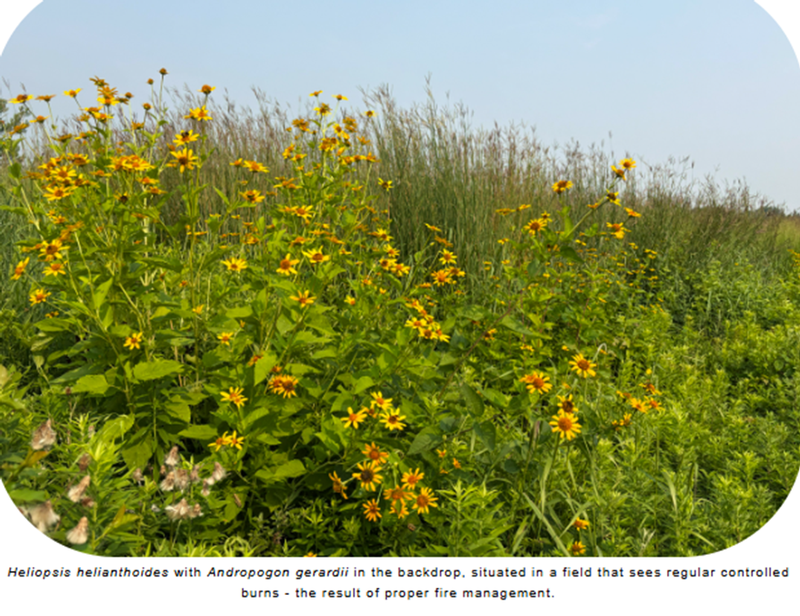
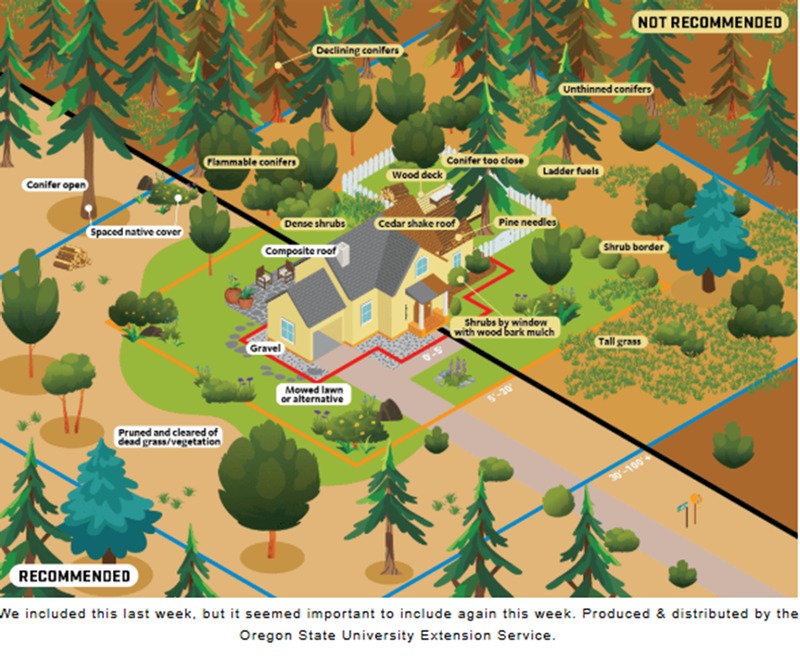
I wasn’t intending to write about fire-wise plants again for at least a little while, so this is a little sooner than I was anticipating, but sadly it’s pretty clear they’re going to be a permanent mainstay in our plant palettes going forward. Turns out I did forget a factor of wildfires last week, silly me. Aside from the fire itself, drifting smoke that intermingles with our metropolitan pollution to effectively create MegaSmog™ is a real concern from photochemical and carbon sequestration viewpoints.
From Sepia-Toned to Smog-Filled Summers
If you’re on social media at all, or live in the Northeast, or both, your news feed has probably been inundated with images of nearly mustard-gas-yellow skies over once pristine landscapes and skylines with many posters and comments declaring, “Just so anyone under 25 knows, this isn’t normal.”
It’s not normal. Gone are the crisp, welcomed Canadian summer breezes that would grace us following a tough period of heat - something we used to call a “heatwave”, which has now basically become our norm from April-October. Instead, a sweeping lacquer of particulate smoke billows south, covering a good chunk of the Northeast and Midwest, replacing now-nostalgic robins-egg-blue skies once bespeckled with pillowy white clouds. Watching our beloved purple martins silhouetted against a backlit hellscape feels ominous at best.
I’d love to lie to you and tell you everything will be ok. After all, what are we doing this for if it’s just going to burn anyway?
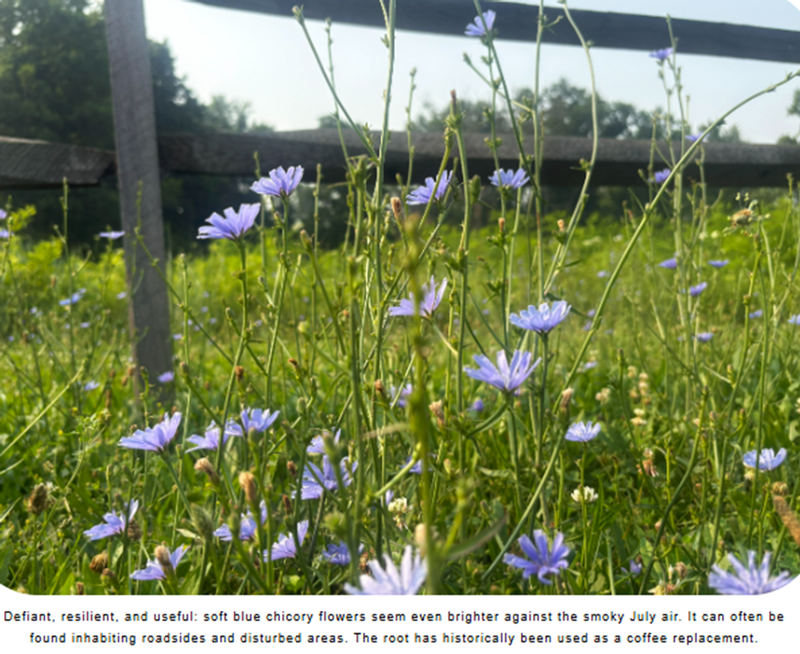
Maybe, just maybe, that's exactly why our stewardship matters.
Landscape architects, growers, and designers aren't in the business of pretending these changes aren't happening. We're in the business of responding to them. Every decision from the time a plant is rooted from a cutting to the time it’s installed at its carefully curated site is an opportunity to make our landscapes just a little bit more resilient than they were before. Not perfect. Not fireproof. Not untouched by Mother Nature. Just… better prepared for what may come.
Last week we talked about plants that are defiant of or encouraged by fire. This week we’re (rather unfortunately) following that up with plants capable of withstanding and even capturing particulate pollutants from urban and heavily populated areas.
Using Nature to Fight Back
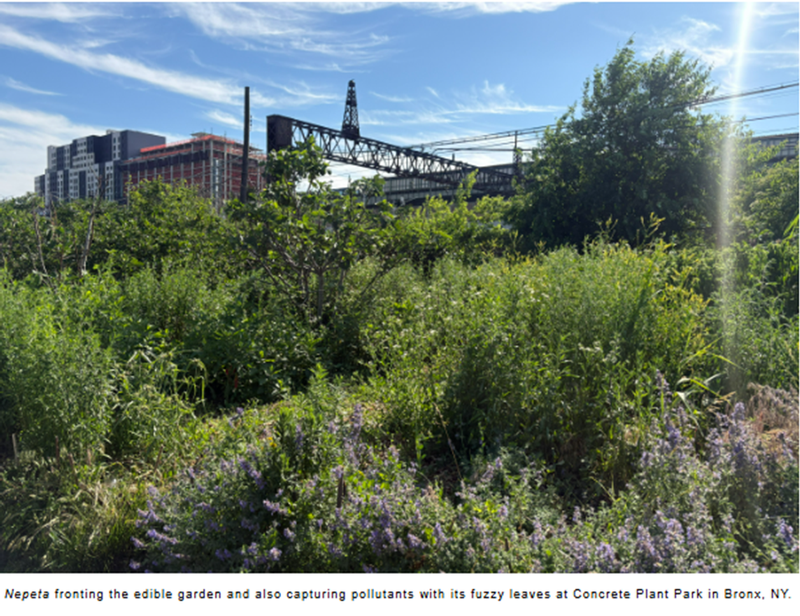
As we touched on earlier, wildfire smoke introduces a slew of environmental challenges to an already dire situation: Ozone, particulate pollution, and greenhouse gases reflected off of pavement and asphalt stress plants just as surely as drought or flooding. Some species show visible injury after only brief exposure, while others continue performing remarkably well, filtering pollutants, tolerating oxidative stress, and maintaining healthy appearances despite increasingly difficult conditions.
Here’s a BBC article describing the exact pollution-adjacent effects and responses of plants to high levels of Ozone and PM.
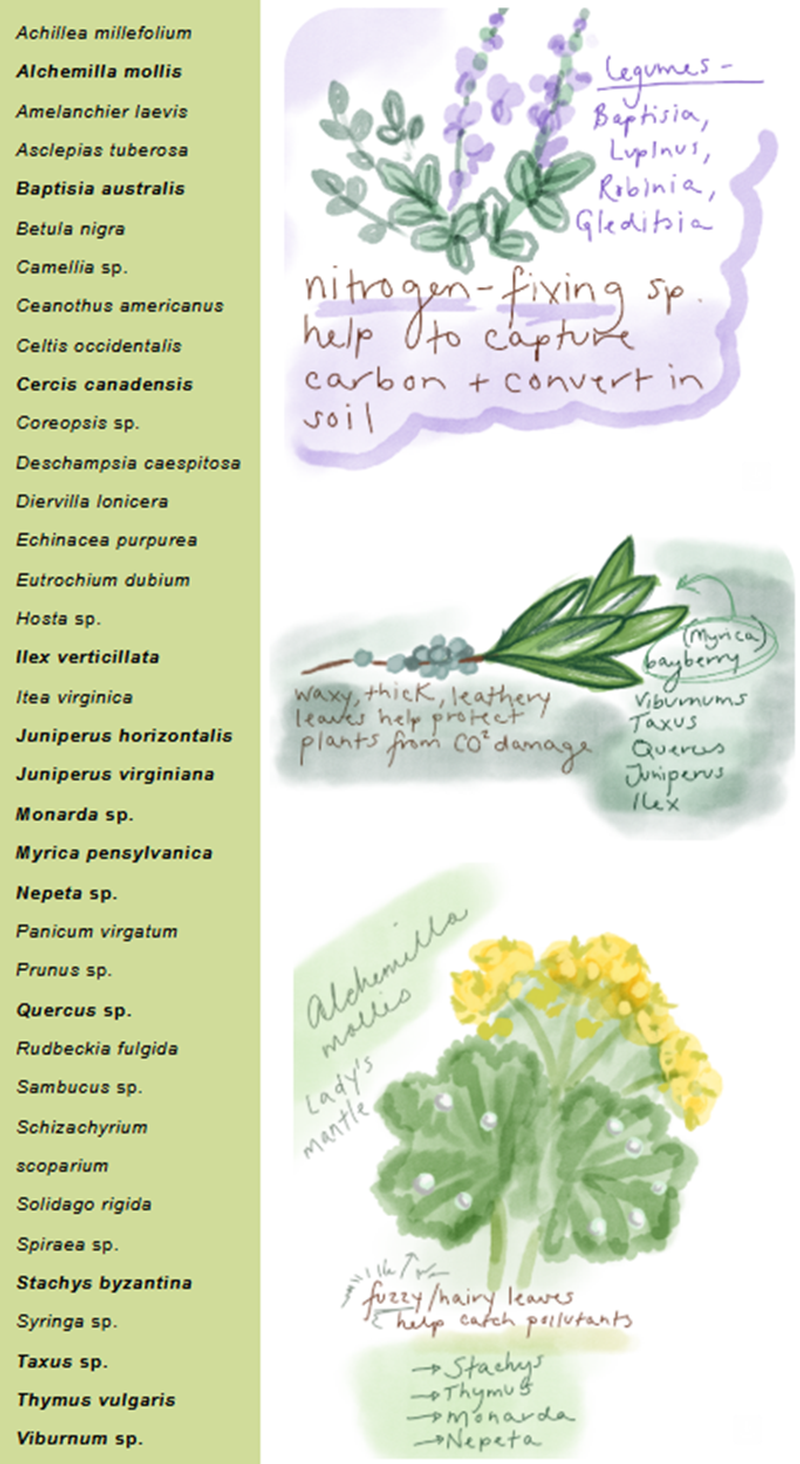
Researchers have spent decades evaluating plant sensitivity to Ozone and other photochemical pollutants. While no species is completely immune to the impacts of pollution, some demonstrate remarkable tolerance under chronic exposure. These are the plants increasingly worth considering—not because they're trendy, but because of their air-purifying, particulate-matter-removing, ozone-capturing properties that have become so pertinent to our planet’s survival.
You may notice a mix of natives and non-native ornamentals on this list – these are plants that have proven themselves to be some of the toughest of the tough, and really, it’s better to plant anything than nothing at all.
With Hope Comes a Better Tomorrow
None of us can extinguish a wildfire from our drafting table, greenhouse, or potting barn. We can, however, decide what goes into the next streetscape. We can choose shade trees and sedges that cool pavement, perennials that intercept particulate pollution, and drought-tolerant species that still manage to support wildlife, withstand increasingly volatile conditions, and continue providing beauty and spaces of respite for generations to come. We aren’t solving climate change. But we are refusing to surrender to it. Sometimes resilience doesn't look like optimism. Sometimes it looks like planting anyway.