
Phloxosophy
In preparation for these upcoming resiliency-focused conferences, we'll get you warmed up with yet another plant built for the apocalypse: Phlox subulata. You probably already know this plant. Even people that don't know plants, know this plant. That probably has something to do with its ability to absolutely thrive in optimal conditions, as you've probably seen around your neighbor's rock walls, driveways and footpaths.
Not for nothing, creeping phlox might be the hardiest of the native species in its genus. Although typically best suited for medium moisture and full sun to dappled shade, Phlox subulata is perfectly drought tolerant once established, creeping about rock and gravel gardens confidently, and has been used in soil conservation projects where erosion control on sloped terrain is a major concern. It is also capable of handling air pollution and is highly tolerant of salt, making it suitable even for urban sites and plantings situated near roadways.
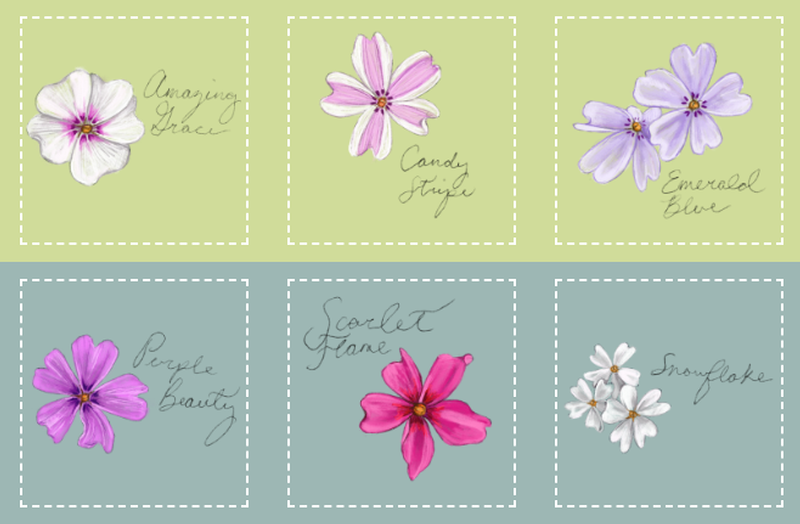
Evergreen to semi-evergreen in most eastern and central North American landscapes, the prostrate habit of soft, tiny, needle-like leaves provides a textural groundcover layer in winter that often takes on bronzy tones before exploding with new growth and blooms in spring. It’s during this time of rebirth that creeping phlox comes alive with color - a dense mat of pink, white, blue, purple, or sometimes a mixture of the four, vying for attention alongside subtle ephemerals, fluorescent tulips, and the young basal growth of summertime perennials.
We’re often so overstimulated with the promises and liveliness of spring that we overlook what’s really happening on the ground level of creeping phlox. While it’s busy maintaining soil integrity and providing visual interest early in the season, it’s also a major nectar source for early pollinators. Long-tongued bees, moths, and butterflies, specifically, are regular visitors to the trumpet-shaped phlox flowers, although the stumpier trumpets of creeping phlox flowers in comparison to their longer-tubed cousins entice even shorter-tongued bees to indulge in foraging. So, the next time you pass a patch of creeping phlox, pause and see who stopped by for a meal. You may find there’s more that meets the eye than just an impenetrable blanket of flowers.
We have all types and colors of creeping phlox selections still available! Add them to your next order before they’re gone until autumn!