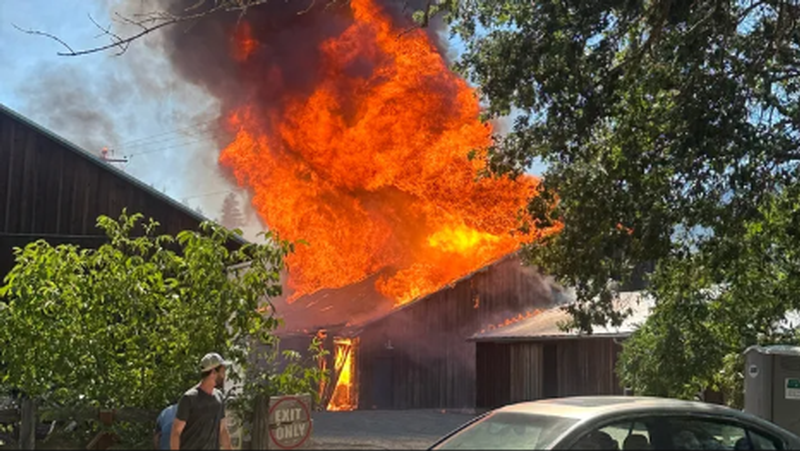
Fires historically played an important ecological role in the natural management of plant, insect, and animal species prior to the intervention of humans on the landscape. Many First Nations peoples recognized the importance of controlled fires as a way to revitalize and manage the land, using them also to clear areas for agricultural and hunting purposes, eventually inspiring our modern controlled burning methods utilized by park services and restoration growers alike. Certain plant species, such as Australian eucalyptus trees and New Jersey’s native Pinus rigida, are known as pyrophilic plants, or pyrophytes, which evolved to produce seeds that germinate during or after fire conditions. Our infamous New Jersey Pine Barrens undergo annual seasonal burns, although their origins vary: some summers, a carelessly discarded cigarette cherry could cause thousands of acres in fire damage; others, the drought and heat become the perfect storm to birth a wildfire. Pyrophytes can be found throughout high-impact sites around the world - however, it’s the intensity and persistence of the fires they experience that dictates ecological value or cultural devastation. 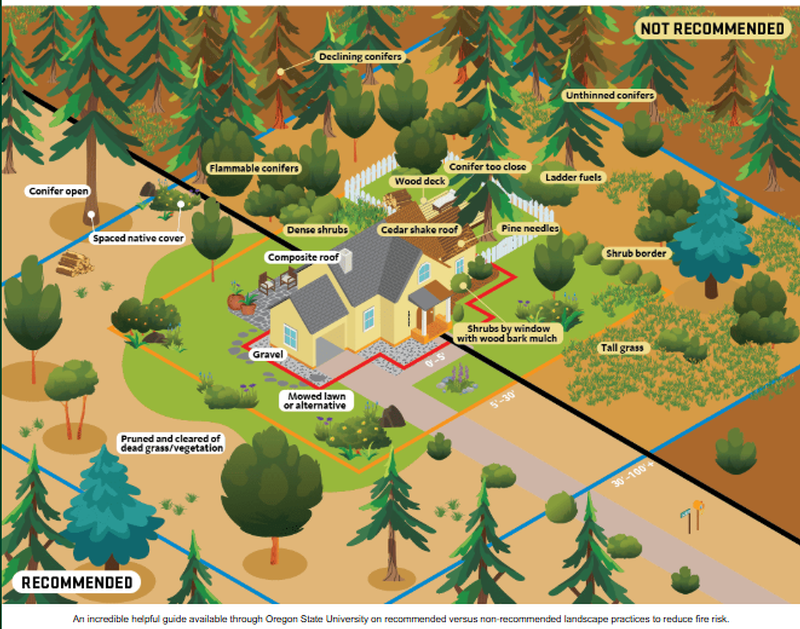
Up until recently, wildfires seemed pretty secluded to the West Coast. Mid-Atlanticans may remember a couple of years back, however, when Canadian wildfires charged smoke as far South as Delaware for days – perhaps the East Coast’s first true look at how impactful the damage and strength of a forest fire can truly be. With our increasingly unpredictable summer weather featuring tropics-level downpours, humidity, and winds paired with droughts and dry soils comparable to conditions in the Mojave, planning our landscapes for whatever may come as opposed to indulging our superficial desires for deer free, rabbit free, insect free, proof-of-life free gardens has become less of a crunchy granola mindset and more of an immediate ecological demand. We may even consider ourselves “lucky” on the East Coast, free mostly of earthquakes and wildfires, having only to deal with the occasional superstorm, life-threatening hurricane, or rogue tornado that’s decided it’s no longer pigeonholed to “Tornado Alley” and can move as freely North and East as it desires. Seriously though, how long until hell and high water actually come? 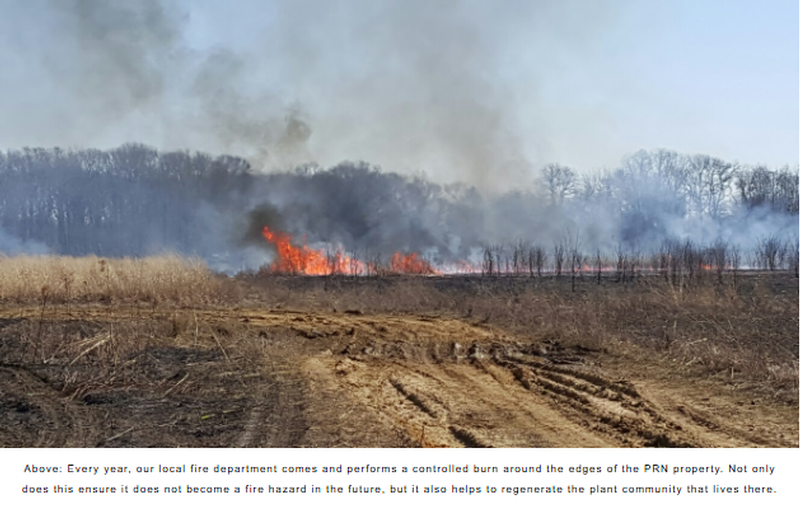 The fires were always here. As humans have proliferated, though, spilling from cities into seemingly uninhabitable rural spaces and doing their best to contain any natural occurrences from wreaking havoc on their assets, the fires have fought back with a mighty vengeance. The only way to fix the issue is to continue to work as a community to spread native plant knowledge and educate the masses as best as we can about the importance of soil conservation, habitat loss, and ecological health. Start by introducing fire resistant plants into your sunny, drought-prone designs, especially in areas surrounded by dry woodlands. **It’s important to note that there is NO SUCH THING AS A FIRE PROOF PLANT - all plants will burn at some point in the event of a fire. However, some plants are better at retaining moisture and regenerating in post-fire environments. 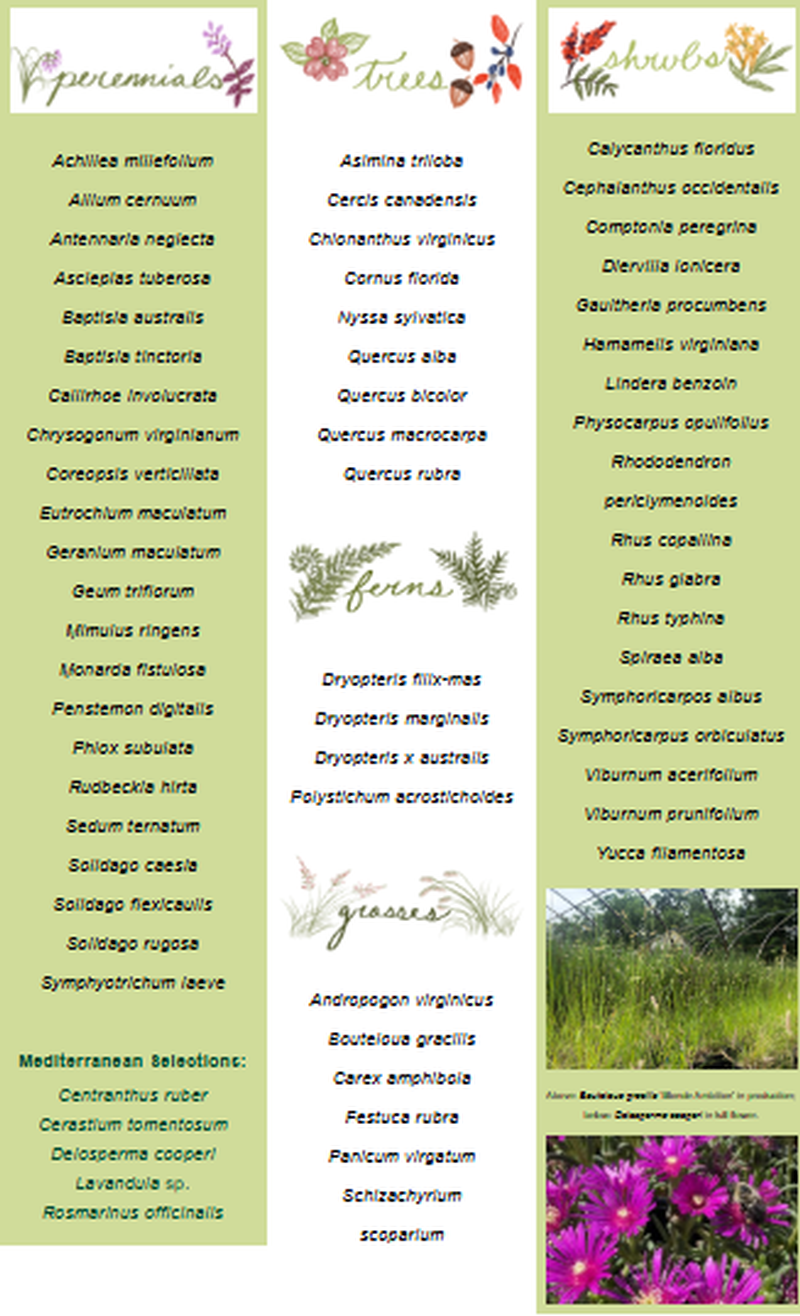
|