

The Many Creatures & Cures of Sevenbark
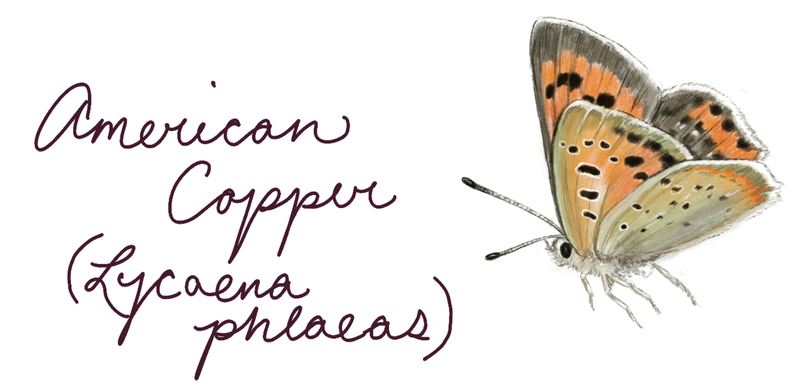
It was no contest who was getting the spotlight this week. Our smooth hydrangeas are in full bloom, from the production houses to the nursery gardens. More enticing than the pleasantly fragrant flower clusters, though, is the parade of critters found bumbling about the individual inflorescences. In no longer than ten minutes, I managed to spot various native bumble bee species, honeybees, ichneumon and brachonid wasps, hover flies, mimic flies, sweat bees, both pink-spotted and Asian lady beetles, and even an American Copper butterfly (Lycaena phlaeas) which effortlessly alluded my attempt at photographing it.
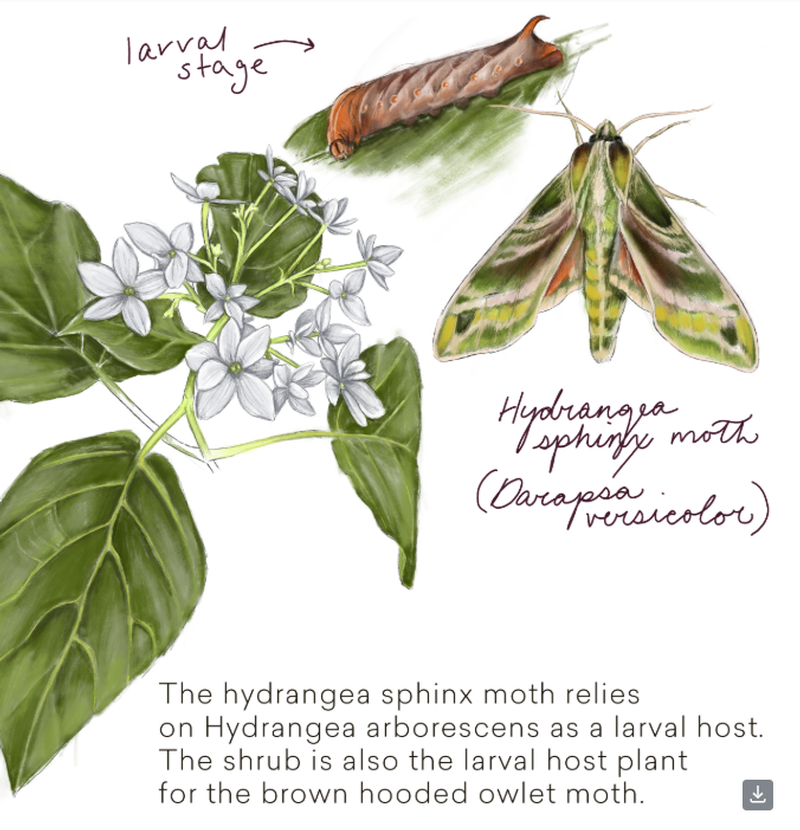
 Who knew that Hydrangea arborescens was such a pollinator support? What is it about this shrub that seduces the generalist population of insects? It might have something to do with the combination of 33 different volatile oils producing some of the finest floral scents early summer has to offer.
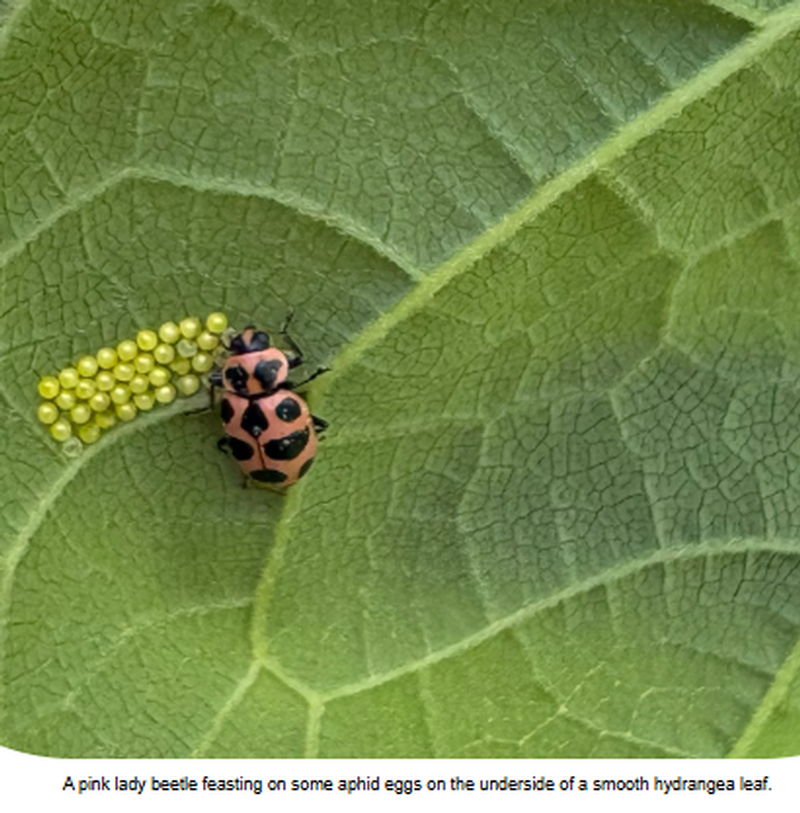
With the largest range of our three native hydrangea species, Hydrangea arborescens can be found throughout many different environments from the central Midwest all the way to the East Coast, extending further into parts of the Southeast and New England and often found along dry, shaded slopes and even moist, poorly drained streambanks. The perfect environments for hordes of native woodland insects!
According to Mt. Cuba Center, their hydrangea trials concluded Hydrangea arborescens to be a pollinator powerhouse - insects were reported to visit lacecap varieties nearly 200 times throughout a single year, with the average number of visits coming in at a whopping 143 per plant in one trial year. Lacecap varieties like ‘Haas Halo’ are undeniable favorites of hungry insects, their small fertile flowers brimming with nutrients, while the mophead varieties like ‘Annabelle’ and Incrediball® Blush offer profuse domes of sterile flowers that are visually appealing to both insects and humans, but are biologically doomed to provide minimal food sources.
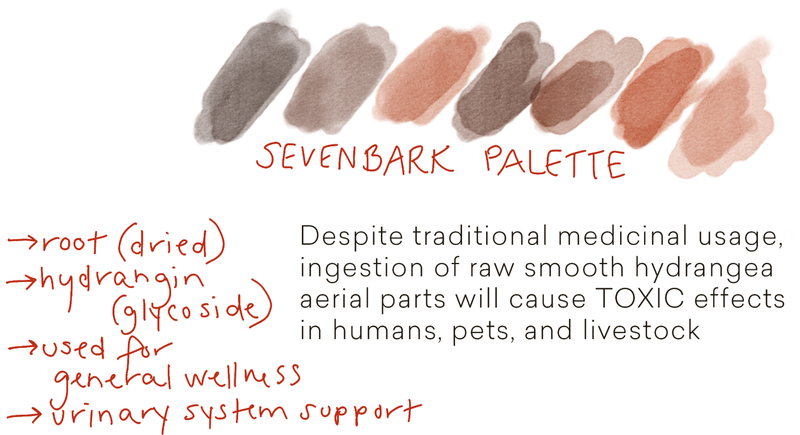
Lacecap and mophead inflorescence structures aside, Hydrangea arborescens has been used as a traditional homeopathic remedy in indigenous North American cultures to quell complaints of the kidneys and urinary tract, medically known as lithiasis, or more colloquially, kidney stones - everyone’s favorite. The dried roots primarily were utilized, harvested from the native shrub known to the Cherokee as “seven barks” for its exfoliating epidermis that peels to reveal a different color each time. The underlying stalks and subsequent root system both contain mucilaginous properties that allow stones to slip and slide right on out, for lack of a better image, giving this shrub the nickname “the stone breaker” (no, I’m not making that up, it’s cited in a literal medical journal - Indo American Journal of Pharmaceutical Sciences).
Interestingly, the stone-breaking action of smooth hydrangea’s phytochemical makeup extends to its ability to grow in rocky, mountainous terrains prone to shade. In fact, we have a great example of how adaptable this shrub is right here at Pleasant Run - nestled beneath a shady canopy nearby our namesake pond, growing inconsequentially on a bit of a dry slope near a fenceline, a volunteer Hydrangea arborescens sits covered in flowers and wayward pollinators, unhindered by its shady overhang.
We tend to blow through our smooth hydrangeas pretty quickly, so grab them while they’re still available - currently, we have ‘Annabelle’ and Incrediball® Blush in stock, but our summertime inventory is definitely something to keep in mind!
Hydrangea arborescens selections:
‘Annabelle’ (mophead)
(180) #3’s | #7’s projected for 8/15
‘Haas Halo’ (lacecap)
#7’s projected for 7/15 | #3’s projected for 8/1
Incrediball® (mophead)
#3’s projected for 8/15
Incrediball® Blush (mophead)
(127) #3’s | #7’s projected for 7/15
Incrediball® ‘Storm Proof’ (mophead)
NEW!!! | #3’s projected for 8/1
References:
DOI: 10.1056/NEJM185011200431602
DOI: 10.1056/NEJM185011200431602
